
Things to Do in Costa Rica in August
August weather, activities, events & insider tips
Low Season · Budget Friendly
August Weather in Costa Rica
Temperature, rainfall and humidity at a glance
80°F (27°C)
High Temp
64°F (18°C)
Low Temp
10.9 inches (277 mm)
Rainfall
70%
Humidity
⚠ Afternoon thunderstorms on the Pacific slope can produce lightning strikes, at higher elevations around Arenal and the Central Valley. Avoid exposed ridgelines, lake shores, and open fields between 2 PM and 5 PM when cells build.
⚠ Rivers across the country swell rapidly after heavy rain, and flash flooding on secondary roads and river crossings is a real hazard. Never attempt to drive through a flooded river crossing at night or after sustained rain, even if your rental SUV looks capable. Multiple tourist vehicles are swept off low-water bridges every green season.
⚠ Riptides strengthen on Pacific beaches during August swells. Playa Dominical and Playa Hermosa de Jacó are dangerous for swimmers. Swim only at lifeguarded beaches or within bay-protected areas like Playa Sámara and Manuel Antonio's Playa Espadilla.
Is August Right for You?
Weigh the advantages and considerations before booking
Advantages
- + Green season pricing drops accommodation and tour costs significantly below December-April rates. Competition for rooms at top eco-lodges in Arenal and Monteverde eases enough that last-week bookings become possible. Dry season demands three months ahead. August does not.
- + Costa Rica's forests hit peak saturation in August. The landscape turns almost absurdly lush. Waterfalls like La Fortuna and Rio Celeste run at full, thundering volume. The jungle canopy around Manuel Antonio and Corcovado thickens into deep, dripping green. Dry-season photos look washed out by comparison.
- + August sits inside the veranillo de San Juan. This brief dry interlude along the Pacific coast can deliver stretches of three to five sunny days. Guanacaste and the Nicoya Peninsula see it most. Mornings across most of the country tend to be clear and warm. Rain holds off until mid-afternoon. That leaves a reliable window for outdoor activity.
- + Whale watching season launches in earnest in August. Humpback whales begin arriving from the Southern Hemisphere along the Osa Peninsula and around Marino Ballena National Park near Uvita. The whale tail sandbar at low tide in Marino Ballena is not a metaphor. It is a literal whale-tail-shaped beach formation. Seeing actual humpbacks breach beyond it in the same frame is the kind of coincidence Costa Rica pulls off without trying.
Considerations
- − The Caribbean side catches heavy rain in August. Puerto Viejo and Cahuita see less predictable patterns than the Pacific coast. Roads between Limón and the southern Caribbean can flood. The drive from San José becomes a muddy four-hour crawl instead of the usual three. Boat trips to Tortuguero cancel on short notice when swells build.
- − Afternoon downpours on the Pacific side are frequent and occasionally violent. Rain dumps hard enough to turn unpaved mountain roads into streams within minutes. If you have planned a drive from Monteverde to Santa Elena on the infamous gravel road, August will remind you exactly why locals call it the worst road in Costa Rica.
- − Some remote Pacific beaches become difficult to reach in August. The southern Osa Peninsula suffers most as rivers swell and secondary roads wash out. Internal flights to Drake Bay or Puerto Jiménez on small propeller planes get delayed or cancelled by cloud cover. The backup plan is a boat ride that gets rough.
Best Activities in August
Top things to do during your visit
Humpback Whale Watching off the Osa Peninsula
August marks the start of Costa Rica's southern humpback whale migration. The waters off Marino Ballena National Park and Drake Bay become a front-row seat to one of the Pacific's great wildlife spectacles. Pods with calves move slowly enough that even modest tour boats can keep pace at a respectful distance. On calm mornings, the sound of a breach carries across the water before you see it. The warm, plankton-rich currents off Uvita draw mothers with newborns close to shore, sometimes within a few hundred meters of the famous whale tail sandbar. August is early enough that boats are not yet crowding the sighting zones the way they do in September and October. Morning departures from Uvita or Drake Bay tend to have calmer seas. Afternoon chop picks up after noon and can turn a three-hour tour into a wet, bouncing affair. Book at least a week ahead through licensed operators who carry marine biologist guides. Confirm that the operator follows the national park's approach-distance regulations. See current whale watching options in the booking section below.
Booking Tip: Book seven to ten days ahead during August. Confirm the operator is licensed by SINAC and carries a certified naturalist guide. Morning departures offer calmer water. Seasickness medication is worth taking preemptively. Take it even if you think you are fine on boats.
Cloud Forest Canopy Tours in Monteverde
August's mist and rain are not obstacles in Monteverde. They are the entire point. The cloud forest earns its name this month. Fog rolls through the canopy at arm's length, coating bromeliads and orchids in fine mist that makes every surface gleam. Hanging bridges and canopy walkways suspended 40 meters (130 feet) above the forest floor put you at eye level with resplendent quetzals. They happen to be nesting in August. Your odds of a sighting increase dramatically compared to dry season. The smell up here is hard to describe: wet moss, decomposing leaves, and something faintly sweet from the orchids that bloom in green-season moisture. Temperatures at 1,400 meters (4,600 feet) elevation hover around 18°C (64°F). That is genuine relief from the lowland humidity. Rain gear is non-negotiable. The forest in rain is a different organism than the forest in sun: louder, greener, more alive. The leeches are real but harmless. Locals treat them as a sign the ecosystem is healthy rather than a reason to stay indoors.
Booking Tip: Reserve canopy walk and zip-line packages three to five days ahead. August is low season, so morning slots are usually available. Request guides with birding expertise if quetzal sighting matters to you. Bring a waterproof camera bag. A ziplock for your phone works too.
River Tubing and Waterfall Hikes near Rio Celeste
Rio Celeste runs an impossible turquoise in August. The color intensifies when rainfall drives mineral concentrations to their green season peak. The river's blue comes from volcanic minerals mixing with sulfur compounds at the Teñidero, and in August, the flow rate amplifies the effect until the water looks artificially dyed. Tubing operators run routes downstream from Tenorio Volcano National Park through secondary forest. Howler monkeys call from the canopy. Toucans flash across the corridor of trees overhead. The water temperature sits around 22°C (72°F). Cool enough to feel refreshing after the hike in. Not cold enough to need a wetsuit. The waterfall at the park's heart drops 30 meters (98 feet) into a turquoise pool that is, unfortunately, closed to swimming. The visual alone justifies the 3.6 km (2.2 mile) round-trip trail through mud that August renders gloriously sloppy. Wear shoes you do not care about. They will not recover.
Booking Tip: Book tubing trips two to three days ahead. Morning departures catch the river before afternoon rain raises the water level. Operators should provide helmets and life jackets as standard. Check current options in the booking section below.
Guided Wildlife Walks in Manuel Antonio National Park
Manuel Antonio in August is a different park. The overcrowded dry-season version gets 150,000 visitors a month. August visitor numbers drop enough that the trails from the main entrance to Playa Espadilla Sur feel almost private in early morning. The white-faced capuchins and two-toed sloths that live in the canopy above Trail 1 behave more naturally with fewer humans underneath. The park's 1,983 hectares (4,899 acres) of tropical rainforest hit maximum density in August. A guided walk with a naturalist who carries a spotting scope transforms a pretty beach hike into a wildlife census. Expect to see three or four sloth species. Multiple monkey troops. Iguanas the size of your forearm. Poison dart frogs whose fluorescent blue skin stands out against the wet leaf litter. The heat sits around 27°C (80°F) with 70% humidity. You will be drenched in sweat within twenty minutes regardless of rain. Carry water. Start at 7 AM when the park opens. Plan to be out before the 2 PM rain hits.
Booking Tip: Book guided walks at least five days ahead. The park closes Tuesdays. Licensed naturalist guides with spotting scopes make an enormous difference in what you see versus walking alone. Browse current guided walk options in the booking section below.
Surf Lessons on the Pacific Coast
August brings consistent swells to Costa Rica's Pacific coast. The combination of warm water, uncrowded lineups, and forgiving beach breaks makes it one of the better months for learning to surf anywhere in Central America. Playa Sámara on the Nicoya Peninsula is where most instructors send beginners. The bay faces slightly away from open ocean, producing long, rolling waves that break gently over sand. The water is bath-warm at 28°C (82°F) and stays that way through the afternoon. More experienced surfers head south to Dominical. August swells hit overhead there. The rivermouth break at the south end produces fast lefts that reward commitment and punish hesitation. Even Dominical empties out in green season. Lineups that hold thirty surfers in January might have five in August. The tradeoff is the afternoon rain, which rolls in as dark clouds over the coastal range around 2 PM. Most surfers are already out of the water by then. They time sessions for the 6 AM to noon window when conditions are clearest and winds are offshore.
Booking Tip: Book surf lessons two to three days ahead on the Nicoya Peninsula. Multi-day packages that include board rental and transport between breaks offer better value than single sessions. Confirm instructors hold ICT tourism credentials. See current surf lesson options in the booking section below.
Cooking Classes Featuring Green-Season Produce
August is peak season for several ingredients that define Costa Rican cooking. These rarely appear in tourist-facing restaurants. Look for chayote squash from the Central Valley. Pejibaye palm fruit whose starchy orange flesh tastes like a cross between chestnut and sweet potato. Cas fruit that locals blend into the tart, pale-green refrescos you see at every soda in the country but never in any guidebook. Cooking classes in the Central Valley and around La Fortuna put you in open-air kitchens. The smell of wood-fired comals mixes with the petrichor of afternoon rain. You will learn that gallo pinto, the rice-and-beans dish that Costa Rica claims as its own over Nicaragua's objections, depends entirely on the brand of Lizano salsa used and the overnight soak of the black beans. Casados, the set-lunch plate that every working Tico eats at noon, vary by region. These variations reveal more about Costa Rica's internal geography than any map. Caribbean-side casados carry coconut rice and plantain. Pacific versions lean heavier on fried fish and curtido slaw.
Booking Tip: Book cooking experiences three to four days ahead. Classes in the Central Valley or La Fortuna area tend to include market visits where you shop for ingredients. Small group sizes of six or fewer mean more hands-on time. Check the booking section below for current class options.
Where to Stay in Costa Rica in August
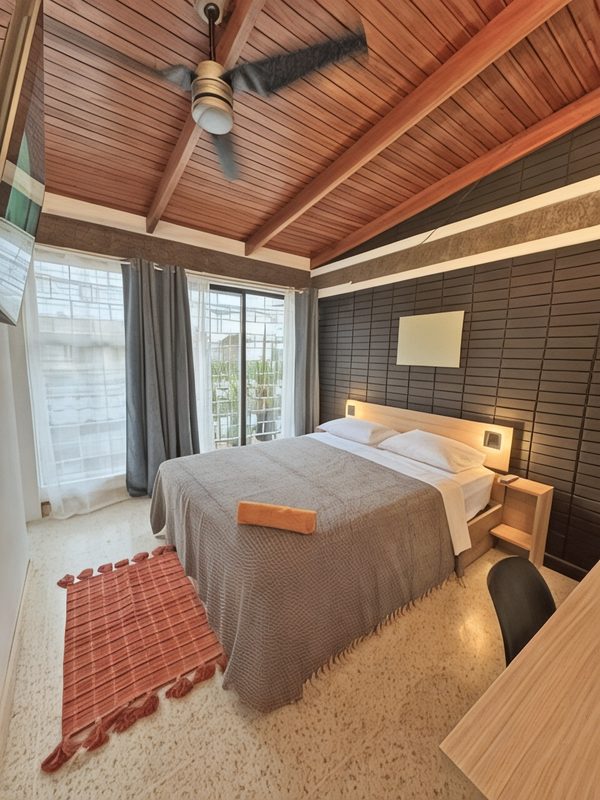
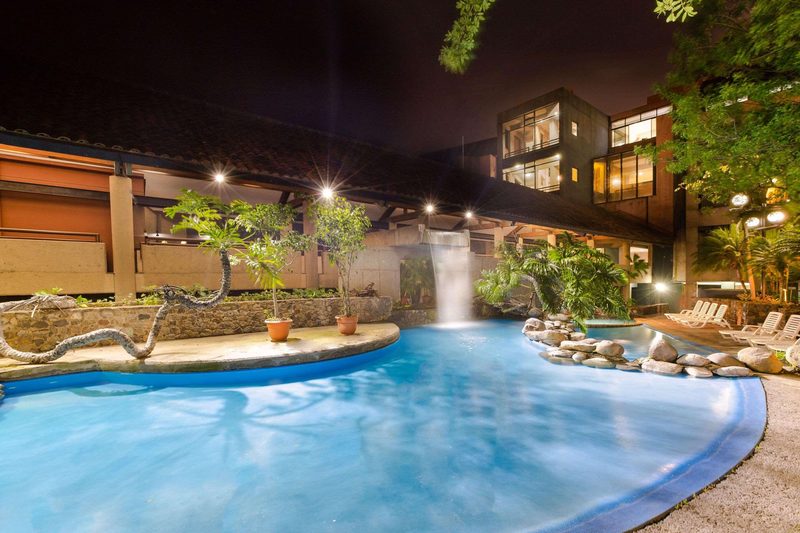
Hand-picked hotels across price tiers for August travellers.
August Events & Festivals
What's happening during your visit
August 2
Día de la Virgen de los Ángeles
On August 2, Costa Rica's most important religious observance draws hundreds of thousands of pilgrims on foot to the Basílica de Nuestra Señora de los Ángeles in Cartago. The romería, as Ticos call it, begins days beforehand with walkers departing San José and towns across the Central Valley, streaming along the shoulder of the Interamericana Highway through the night, many barefoot, carrying candles and flowers. By dawn on the second, the basilica's plaza is packed, the air thick with copal incense and the collective murmur of prayer. The tiny stone figure of La Negrita, the dark-skinned Virgin found in 1635, sits in a gold-and-jewel case inside the basilica. Whether or not you are religious, the scale of devotion is staggering, and the ambient energy in Cartago that week, with vendors selling rosaries and churros and hot chocolate outside the church walls, makes it worth the hour-long drive from San José. Streets around the basilica close to vehicles. Plan to walk the last kilometer.
Mid August (dates vary yearly, typically second or third week)
Festival de las Artes (FIA)
Costa Rica's largest multidisciplinary arts festival typically runs for ten days in August, transforming parks and theaters across San José into stages for dance, theater, music, and visual art. Performances spill out of the Teatro Nacional and into Parque Morazán and the grounds of the Museo de Arte y Diseño Contemporáneo. International and Central American acts share billing with Costa Rican companies, and a significant portion of the programming is free. The atmosphere in Barrio Amón and Barrio Otoya during FIA weeks feels like a different city from the San José most travelers rush through on their way to the beach: streets close to cars, galleries stay open late, and the smell of coffee from the roasters on Calle 7 mixes with the bass thump of live music two blocks away.
Packing Checklist
Bookmark this page — your progress is saved between visits
Need the full list with shopping links?
Climate-specific gear, brand recommendations, and what to leave at home.
View Costa Rica Packing List →Essential Tips
Insider knowledge and common pitfalls to avoid
Insider Knowledge
The veranillo, a brief dry spell that interrupts the green season on the Pacific coast, sometimes extends well into August around Guanacaste and the Nicoya Peninsula. Locals track it by watching the pochote trees: when they start dropping their cotton-like seed pods, the dry window is closing. If the pochotes are still holding, you might get a full week of sun on beaches like Playa Conchal that the rest of the country assumes are rained out.
Ticos eat their main meal at lunch, not dinner, and the sodas, family-run restaurants found in every town, serve casados between 11 AM and 2 PM that represent the single best value and most authentic eating in the country. Dinner at tourist restaurants in Tamarindo or Manuel Antonio costs three to four times more for food that is almost never as good. If a soda has a handwritten menu on a whiteboard and plastic chairs, you are in the right place.
Internal flights between San José and Quepos, Drake Bay, or Tambor on small Cessna Grand Caravans are useful in August because overland routes take twice as long on rain-soaked roads. The planes hold twelve to fifteen passengers, depart from the domestic terminal at Juan Santamarían or the tiny Tobías Bolaños airfield in Pavas, and the views of the volcanic spine and coast at 3,000 meters (10,000 feet) are worth the ticket alone. Book early. The small planes fill fast with limited green-season schedules.
August is nesting season for olive ridley and green sea turtles on the Pacific coast, at Ostional Wildlife Refuge north of Nosara. The arribada, a mass nesting event where tens of thousands of turtles haul up the beach in a single night, happens roughly once a month during green season and August arrivals are common. Access is restricted to guided tours coordinated through the local community association, and showing up unannounced with flashlights will get you turned away. The guides know the tides and moon phases that trigger the event. Trust their timing.
Avoid These Mistakes
Planning a tight itinerary that requires driving between regions on back-to-back days. August roads, the mountain routes between Arenal and Monteverde and the unpaved stretches south of Dominical, can double drive times without warning. A river crossing that was ankle-deep in February becomes waist-high and impassable in August. Build buffer days into any multi-destination trip.
Writing off the entire month because of rain forecasts. August rain in Costa Rica is theatrical but predictable: mornings are usually clear and sunny, with precipitation concentrating between 2 PM and 6 PM. Travelers who start early and plan indoor activities for the afternoon, a cooking class, a coffee-farm tour, a long lunch at a soda, will barely feel the disruption.
Skipping San José entirely. The capital gets a bad reputation in guidebooks. But the museums in Barrio Amón, the Mercado Central's century-old food stalls, and the craft-coffee roasters in Barrio Escalante reward a full day, during FIA festival weeks in August when the city comes alive in a way beach towns never replicate. Using San José only as an airport transfer wastes the most culturally dense part of the country.
Explore More Activities in Costa Rica
Didn't see anything interesting yet?
Browse Viator's full catalog of tours, day trips, food experiences, and private guides in Costa Rica.
See All Costa Rica Tours on Viator